


Dr. Slobodan Vukanić on protecting women’s health: Menopause should not be a time of suffering

Jul 20, 2026
Perimenopause and menopause can bring many physical and emotional changes, but women should not have to endure symptoms that disrupt their daily lives. Dr. Slobodan Vukanić explains why timely checkups, open conversations with a gynecologist, and individually tailored treatment are essential for protecting women’s health and quality of life.
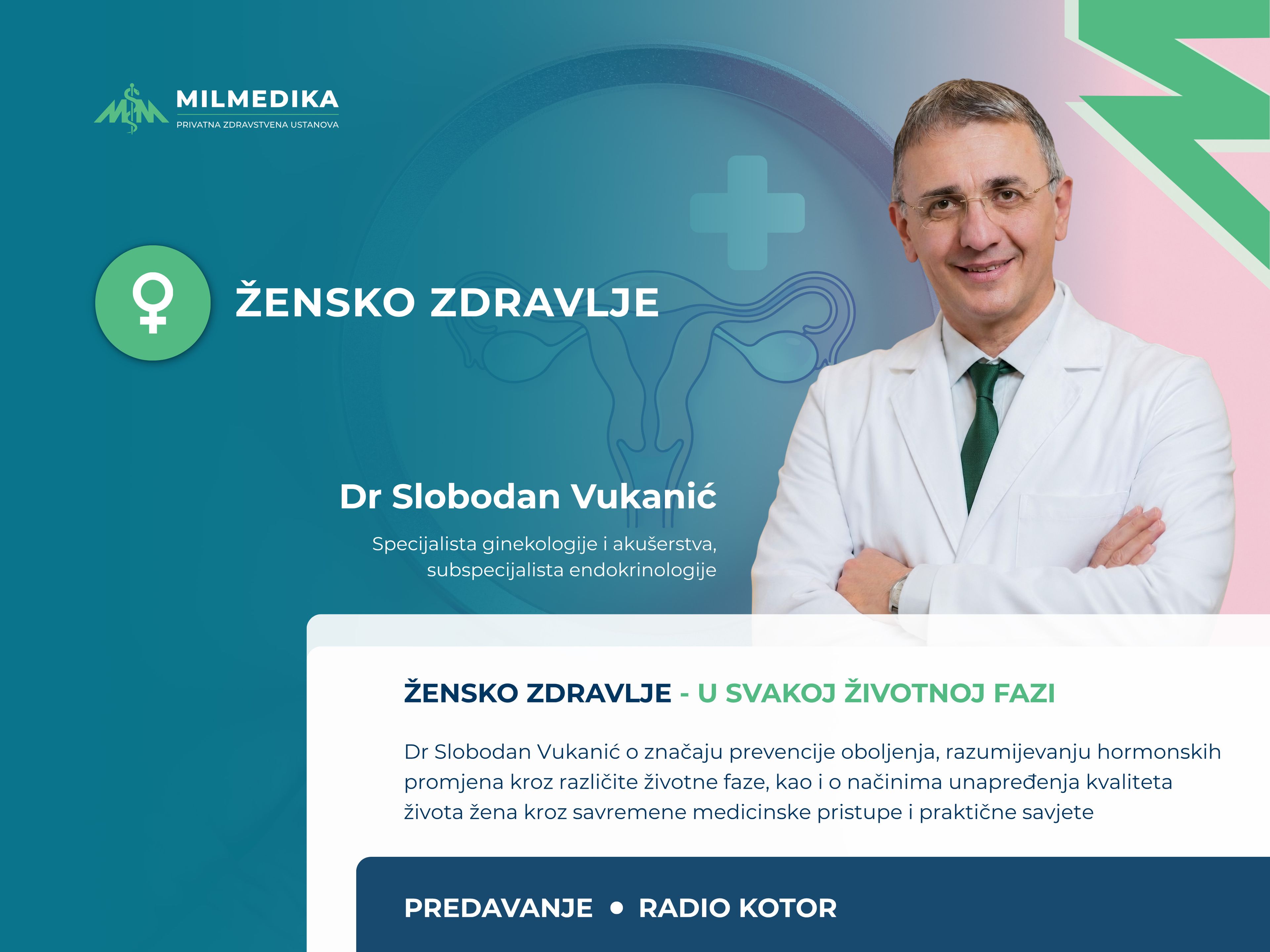
Dr. Slobodan Vukanić, a gynecology and obstetrics specialist and endocrinology subspecialist, discussed the changes associated with perimenopause and menopause, emphasizing that women should not have to endure symptoms that affect their health and daily lives.
Menopause should not be a time of suffering
During a lecture at the Maritime Museum of Montenegro in Kotor, Dr. Slobodan Vukanić spoke about protecting women’s health, preventing disease, and improving women’s quality of life across different ages.
Special attention was given to perimenopause and menopause, including symptoms that women often do not associate with hormonal changes, as well as the importance of recognizing them early and choosing treatment based on each woman’s individual needs.
Hormonal changes can begin while periods are still regular
The first hormonal changes can occur even while menstrual cycles are still regular. As a woman approaches menopause, her periods may gradually become irregular, accompanied by more noticeable changes in female sex hormone levels.
Menopause is confirmed after 12 consecutive months without a period, after which postmenopause begins.
Dr. Vukanić emphasized that declining estrogen levels affect more than reproductive health. Hormonal changes may affect sleep, mood, and concentration, as well as the health of the heart, blood vessels, and bones. As a result, they can significantly affect a woman’s daily functioning and quality of life.
Hot flashes, insomnia, and chronic fatigue are not minor symptoms
Hot flashes are among the most common symptoms of menopause. These sudden waves of heat may be accompanied by sweating, a rapid heartbeat, and an uncomfortable sensation that spreads toward the neck and face.
When they occur at night, hot flashes can interrupt sleep. Over time, this may lead to insomnia, exhaustion, mood changes, and a reduced quality of life.
Women should know that they do not have to accept these symptoms as an inevitable part of aging. There are different ways to relieve them, and treatment is selected after a thorough assessment of each patient’s symptoms and overall health.
Changes affecting intimate and urinary health
A significant part of the lecture focused on genitourinary syndrome of menopause. This term refers to a range of symptoms affecting the intimate and urinary areas that may develop as a result of hormonal changes.
These may include:
- Vaginal dryness and discomfort
- Frequent or difficult urination
- Recurrent urinary tract infections
- Other symptoms that may affect a woman’s daily and intimate life
Although these problems are common, they are still not discussed openly enough. Many women remain silent because they believe the symptoms are a normal and unavoidable consequence of aging.
Dr. Vukanić therefore highlighted the importance of speaking openly with a gynecologist. After an examination and appropriate diagnostic testing, local and other treatment options may be considered based on the patient’s individual needs.
Hormonal changes can also affect mental health
Perimenopause and menopause may be accompanied by irritability, anxiety, low mood, and sleep problems.
Women also commonly describe experiencing “brain fog,” difficulty concentrating, slower thinking, or needing more time to find the right word.
These changes should not be ignored or automatically attributed to stress, daily responsibilities, or age. A timely assessment can help identify the cause of the symptoms and determine the most appropriate treatment approach.
Treatment is tailored to each woman
Perimenopause and menopause are complex biological processes, which means there is no single solution that works for every patient.
Hormone replacement therapy can be highly effective in relieving certain symptoms and preventing bone loss. However, the decision to use it is always made on an individual basis.
Before treatment is introduced, the following factors are considered:
- The woman’s symptoms
- Her age
- The expected benefits of treatment
- Possible risks
- Her overall health
Regular physical activity, a balanced diet, healthy lifestyle habits, and attention to mental health also play an important role. However, they are not a substitute for medical treatment when it is needed.
A thorough examination, open communication, and trust between the doctor and patient are the foundation of high-quality, safe care.
Menopause as a natural life transition
One of the key messages of the lecture was that women should not have to endure symptoms that affect their health, mood, or ability to function in daily life.
The goal of a modern approach is not only to relieve individual symptoms but also to protect women’s long-term health, ability to function, and quality of life.
As Dr. Slobodan Vukanić concluded:
“Menopause should not be seen as a diagnosis, but as a smooth transition in life.”
Timely information, regular checkups, and individually selected treatment can help women move through this stage more safely, in better health, and with significantly fewer symptoms.
Don’t wait for symptoms to become part of your daily life!
Schedule your appointment.
This article was prepared based on Radio Kotor’s report on Dr. Slobodan Vukanić’s lecture.